

Critical Rules for Gutter Installation in Arkansas
Gutter installation in Arkansas is governed by a group of building regulations and local rules that change by city. In Fort Smith, for instance, the city applies particular rules to guarantee that gutters are placed properly and securely. These regulations are created to safeguard residences from water damage and to maintain the integrity of the nearby terrain. Understanding these regulations is important for anyone intending to install or replace gutters in the region.
Arkansas, like many areas, has statewide structural regulations that offer a foundation for building practices. However, local towns often introduce their own standards. In Fort Smith, for instance, the regional authority may impose gutters to be placed with a specific inclination to make sure adequate drainage. These regulations are amended regularly, so it's vital to review the latest versions or talk with a local contractor who is familiar with the up-to-date guidelines.
Regional rules in Arkansas also take a important function in figuring out what is permitted during gutter installation. These can cover constraints on the type of resources used, the placement of gutters, and even the height of the gutter unit. In some places, residents may have to obtain a approval before beginning any setup work. This verifies that the initiative complies to the local standards and avoids possible legal challenges.
For individuals searching to install gutters in Arkansas, it's crucial to research the exact guidelines in their town. Whether you're in Fort Smith, Little Rock, or another community, knowing the guidelines can help you avoid delays and ensure that your gutter setup is both functional and compliant.
How Climate Affects Gutter Installation in Arkansas
Arkansas weather can have a significant impact on the way gutters are installed and maintained. The state experiences a wide range of weather conditions, from heavy rainfall to occasional severe storms. In Fort Smith, for example, the climate is characterized by a humid subtropical environment, with significant rainfall throughout the year. This means that gutter setups must be designed to tackle large volumes of water efficiently.
Storm season in Arkansas typically runs from late spring to early fall, bringing with it the possible for intense thunderstorms and heavy downpours. These conditions can lead to flooding, particularly in areas with poor drainage. In Fort Smith, where the annual rainfall is higher than in many other parts of the state, gutter installation must be thoroughly planned to avoid water from pooling around the foundation of a home.
Rainfall patterns in Arkansas also influence the type of gutter setups that are most practical. In areas with high rainfall, such as Fort Smith, larger gutters with a greater capacity are commonly recommended. This supports to manage the increased water flow and reduce the risk of overflow. Furthermore, the design of the gutter system must account for the local topography. In Fayetteville, for instance, the hilly terrain needs specialized installation techniques to ensure that water is directed away from the residence effectively.
Understanding the area climate is essential for anyone planning to put in gutters in Arkansas. Whether you're in Fort Smith, Little Rock, or another city, the weather conditions in your area will play a key role in determining the best approach to gutter installation.
Impact of Arkansas Weather on Gutter Materials
The Arkansas climate has a direct impact on the selection of gutter materials. In areas like Fort Smith, where the weather is humid and rainfall is frequent, materials that are resistant to corrosion and rust are essential. Common materials used in gutter installation include aluminum, steel, and vinyl, each with its own advantages and disadvantages.
Aluminum gutters are a popular option due to their lightweight and resistance to rust. They are also relatively affordable and easy to set up. Nevertheless, they may not be the best option for areas with heavy snow or ice, as they can be prone to harm. In contrast, steel gutters are more sturdy and can withstand harsh weather conditions, but they are more expensive and call for regular servicing to prevent rust.
Vinyl gutters are another option that is gaining popularity in Arkansas. They are resistant to rust and corrosion, making them a good choice for areas with high humidity. Nevertheless, they may not be as strong as metal gutters and can be more susceptible to wear from extreme weather conditions.
In Fort Smith, where the weather can be unpredictable, picking the right materials is crucial. Homeowners should consider the local climate and the specific needs of their home when selecting gutter materials. This ensures that the system is not only functional but also long-lasting and cost-effective.
Popular Gutter Types Used in Arkansas
In Arkansas, several types of gutters are commonly used, each with its own benefits and suitability for different environments. In Fort Smith, for example, non-ferrous gutters are a popular choice due to their durability and resistance to corrosion. These gutters are compact and straightforward to mount, making them a effective option for many homeowners.
Fayetteville and Springdale also see a high demand for plastic gutters. These gutters are known for their affordability and low maintenance requirements. They are resistant to rust and can withstand the humid conditions typical of the region. However, they may not be as sturdy as steel gutters and can be easier to damage in harsh climates.
In areas like Jonesboro and North Little Rock, steel gutters are often used for their strength and longevity. These gutters are suitable for homes that are located in regions with frequent rain or frequent storms. However, they require regular maintenance to stop oxidation and ensure optimal performance.
For homeowners in Rogers and Bentonville, copper gutters are a more premium option. These gutters provide a unique aesthetic appeal and are extremely resilient. They are not affected by corrosion and can endure for many years with good maintenance. However, they are costlier than other options and may not be the optimal selection for all budgets.
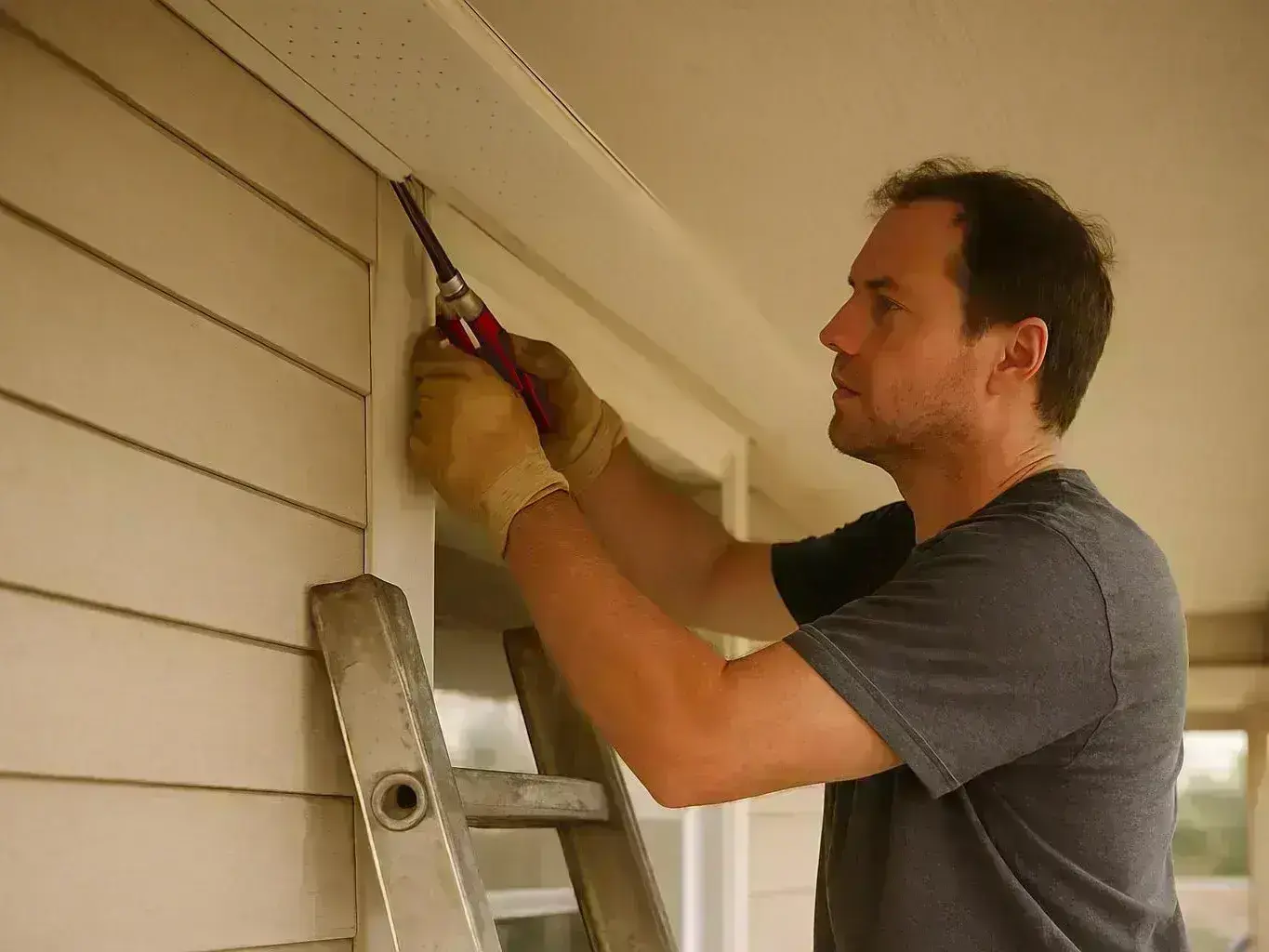
Choosing the right type of gutter for your home in Arkansas depends on several factors, including the regional weather, the architectural style of your home, and your budget. Getting advice from a local contractor can guide you to the best option for your specific needs.
Professional Gutter installation in Arkansas
The qualified gutter installation in Arkansas involves multiple key measures to confirm that the setup is installed accurately and functions reliably. In Fort Smith, for example, regional contractors follow a structured approach that begins with an initial assessment of the residence's requires. This includes assessing the roofline, determining the proper gutter size, and detecting any possible issues that may affect the installation.
Once the assessment is complete, the next step is to prepare the site. This involves clearing the area around the home and ensuring that there is appropriate access for the installation team. In some cases, additional work may be required, such as reinforcing the roof or adjusting the existing structure to accommodate the new gutter system.
The actual installation process involves securing the gutters to the fascia board, ensuring that they are properly sloped to allow for effective water drainage. In areas like Little Rock and Fayetteville, where the terrain can be more challenging, contractors may use specialized techniques to ensure that the gutters are installed correctly and efficiently.
After the installation is complete, the final step is to test the system to ensure that it is functioning as intended. This includes checking for leaks, verifying that water is being directed away from the foundation, and making any necessary adjustments. In Fort Smith, local contractors often provide a warranty or guarantee for their work, giving homeowners peace of mind and confidence in the quality of the installation.
For those looking to install gutters in Arkansas, working with a professional contractor is essential. This ensures that the job is done correctly and that the system meets all local regulations and requirements.
Cost of Gutter Installation in Arkansas cities
The price of gutter installation in Arkansas can change depending on the region, the variety of components used, and the level of the task. In Fort Smith, for instance, the typical price for a standard metallic gutter installation ranges from $3 to $7 per linear foot. https://postheaven.net/columnbean54/smart-preparing-for-gutter-installation-in-arkansas-climate-driven This encompasses the price of materials, work, and any required licenses. However, the ultimate cost can be affected by elements such as the dimensions of the home, the amount of gutters required, and any extra attributes like debris guards.
In Little Rock, the price of gutter setup is similar to that of Fort Smith, but there may be certain changes based on regional effort charges and component availability. Homeowners in Fayetteville and Springdale may also observe differences in price due to the particular requirements of their residences and the local market circumstances. For example, in Fayetteville, where the terrain is higher uneven, the setup procedure may be more complex, leading to more overall prices.
In areas like Rogers and Bentonville, where the demand for gutter setup is elevated, rates may be marginally more due to increased rivalry among contractors. However, this can also lead to improved assistance and greater choices for homeowners. It's crucial to obtain several estimates from area professionals to guarantee that you are getting a reasonable cost for your task.
When reviewing the price of gutter installation in Arkansas, it's also crucial to include in the extended advantages. A correctly installed gutter setup can aid prevent moisture damage, decrease maintenance prices, and improve the overall importance of your home. In Fort Smith, where the atmosphere can be challenging, putting in in a superior installation is usually a intelligent choice.
Maintaining Gutters in Arkansas: Care and Repairs
Maintaining gutters in Arkansas is vital to ensure that they operate properly and protect your home from water damage. In Fort Smith, where the climate is moist and rainfall is common, gutters can readily develop clogged with leaves, twigs, and other debris. This can cause water overflow which can damage the foundation of your home and result in other challenges.
Frequent maintenance is one of the most significant aspects of gutter maintenance. In Arkansas, it's suggested to service gutters at least two times per year, typically in the first half of the year and fall. This supports eliminate any accumulation that may have gathered over the past period and guarantees that the system is operating as intended. In areas like Little Rock and Fayetteville, where the conditions can be uncertain, increased upkeep may be required to avoid obstructions and moisture issues.
In besides cleaning, repairs are also an significant part of gutter care. Over time, gutters can experience holes, become unstable, or sustain damage from bad weather. In Fort Smith, where the severe weather period can be severe, it's important to check your gutters regularly for signs of deterioration. If any issues are recognized, it's advisable to resolve them quickly to prevent further damage.
For homeowners who are not sure about how to effectively care for their gutters, it's a good idea to hire a professional. In Arkansas, numerous nearby professionals offer support services that include maintenance, fixes, and checks. https://haley-lindgaard.blogbright.net/a-complete-guide-of-5-reasons-to-install-gutters-before-the-rainy-season-critical-details-that-matter-2026 This can help ensure that your gutter setup is in good condition and functioning effectively.
Building Codes and Permits for Gutters in Arkansas
Building regulations and permits for gutters in Arkansas serve a significant role in making sure that all projects meet local guidelines. In Fort Smith, for example, the municipality requires that all gutter projects adhere with particular building standards that are designed to protect homes from liquid damage. These codes may contain conditions for the variety of materials used, the slope of the gutters, and the position of drainpipes.
Obtaining a approval for gutter installation is often required in Arkansas, mainly in greater cities like Little Rock and Fayetteville. This procedure includes submitting an request to the local building department and settling a charge. The approval provides that the installation is reviewed and cleared, giving assurance for property owners. In Fort Smith, the area administration may additionally require that contractors have the correct licenses and licenses to carry out the work.
In certain areas, such as Springdale and North Little Rock, building standards may be more strict as a result of the distinct needs of the region. For instance, in Springdale, where there has been quick development, the standards may cover extra conditions to guarantee that gutter systems are created to manage the increased quantity of liquid. This supports to stop waterlogging and other issues that can happen from inadequate drainage.
Understanding the building regulations and license conditions in your location is essential for anyone intending to set up or replace gutters. In Arkansas, it's vital to partner with a area professional who is knowledgeable about the rules and can help you through the process. This ensures that your gutter setup is installed accurately and satisfies all local guidelines.
Gutter Installation in Closeby Arkansas communities
Gutter installation in nearby Arkansas regions, like Little Rock, Rogers, & Bentonville, follows comparable guidelines however may have distinct factors based on local factors. In Little Rock, for example, this municipality possesses their own set of rules which govern gutter installations. These regulations are designed to guarantee that all systems are placed properly and meet the requirements of the area. Homeowners in Little Rock must review local resources to understand the specific standards for their region.
Rogers, a growing metropolis in this north-west area of Arkansas, has experienced a increase in recent construction, which possesses caused to updated building standards for gutters. Those codes frequently demand larger gutters and more sturdy materials to manage the higher rainfall and storm activity. In Rogers, residents must collaborate with regional contractors who are familiar with this most recent regulations and are able to provide guidance on the best options for their homes.
Bentonville, recognized for its business development, has more strict stormwater handling standards for gutter units. These standards are in effect to guarantee which water is properly managed and does not cause damage to the adjacent region. In Bentonville, homeowners could require to set up additional drainage options to meet those standards. This could include larger gutters, storm tanks, and additional systems designed to handle heavy precipitation.
For individuals thinking about gutter installation in these closeby communities, it is important to research the specific regulations and standards. Collaborating with a regional professional who understands the regional standards can assist ensure that your work is finished properly and effectively.
What are the most common kinds of gutters used in Arkansas?
At Arkansas, this most typical types of gutters include aluminum, vinyl, and steel. Aluminum gutters are popular because to their light and resistance to corrosion. Vinyl gutters are affordable and minimal care, creating them a excellent option for numerous homeowners. Steel gutters are greater durable and appropriate for regions with intense precipitation or severe conditions conditions. For reliable Gutter Installation in Arkansas in Arkansas, AGM Gutters provides experienced guidance and practical solutions.
How do climate conditions in Arkansas affect gutter installation?
Arkansas has a humid subtropical climate with significant rainfall throughout the year, particularly in cities like Fort Smith. This means that gutter installations must be designed to handle large volumes of water. Wet season, which typically runs from late spring to early fall, can bring intense thunderstorms and heavy downpours, calling for gutters to be installed with appropriate slope and drainage to prevent water harm.
What materials are best suited for Arkansas weather?
In Arkansas, materials that are resistant to corrosion and rust are ideal for gutter installation. Stainless steel gutters are frequently used due to their durability and ability to withstand the region's humid conditions. Steel gutters are also a good option for areas with heavy rainfall or extreme weather, though they need more servicing to avoid rust.
What is the typical cost of gutter installation in Arkansas?
The typical cost of gutter installation in Arkansas varies depending on the city and the type of materials used. In Fort Smith, for example, the average cost for a standard steel gutter setup ranges from $3 to $7 per linear foot. In other cities like Little Rock and Fayetteville, the cost may be similar, but it can vary based on local labor rates and material availability.
What are the measures involved in professional gutter installation?
The qualified gutter installation process in Arkansas typically begins with an assessment of the home's needs. This includes evaluating the roofline and determining the appropriate gutter size. The next step is site preparation, followed by the actual installation of the gutters. After installation, the system is tested to ensure it functions properly. In Fort Smith, local contractors often provide a warranty for their work, ensuring that the installation meets all local regulations and requirements.